Learn how to fish with live bait, choosing the right bait, the most effective techniques, and the secrets to catching predators like catfish and pike.
Live bait fishing is one of the most effective techniques for catching predators in both freshwater and saltwater. Unlike other methods, live bait naturally stimulates fish's predatory instincts thanks to the bait's realistic movement, vibrations, and odor, increasing the chances of a catch. In this article, we'll guide you step-by-step through the main live baits, recommended equipment, winning strategies, and pro secrets to improve your live bait fishing trips.
What live bait
fishing really is and why is it so effective?
Live bait fishing is based on the use of fish or other living organisms as bait. The underlying principle is simple yet powerful: predators react naturally and instinctively to the bait's movement, dramatically increasing their chances of attack. Compared to dead or artificial bait, live bait produces more realistic stimuli, making catches more natural and often more abundant. This technique is particularly effective for coveted species such as catfish, pike, sea bass, or other large, aggressive prey. In addition to increased attractiveness, live bait allows you to easily adapt to different environmental conditions and fish behavior.
The most commonly used
live baits and equipment
Live bait can vary depending on the type of predator and the environment in which you fish. Among the most common are:
- small live fish, such as bleak, mullet, roach, or young carp, perfect for targeting catfish, pike, and sea bass;
- shrimp or small live crustaceans, ideal for coastal marine predators;
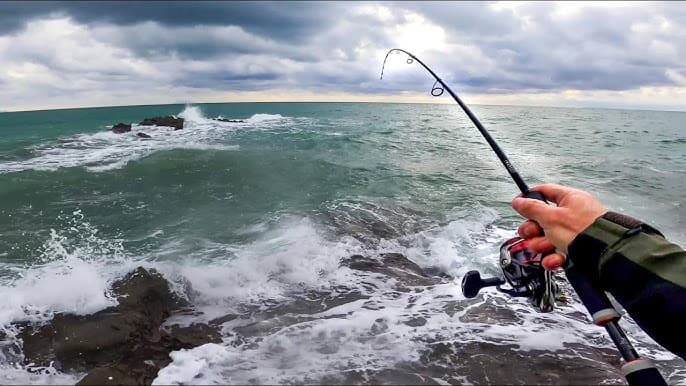
- eels or small freshwater fish, especially useful for trout and river and lake predators. As for equipment, choosing the right rod and reel is essential. A sturdy rod, between 8 and 10 feet, with a medium or heavy action depending on the species, is recommended. The reel must be durable and equipped with a reliable drag, capable of withstanding prolonged fights. The ideal line is often braided line combined with a fluorocarbon leader, while hooks and lines should be chosen based on the size of the bait and prey, integrating floats or sinkers to control the bait's depth.
Live bait fishing techniques:
from first casts to winning strategies
Live bait fishing requires patience, observation, and the ability to adapt to water conditions and fish behavior. Among the most common techniques:
- Bottom fishing: ideal for catfish and large predators, with the live fish slowly sinking to the bottom;
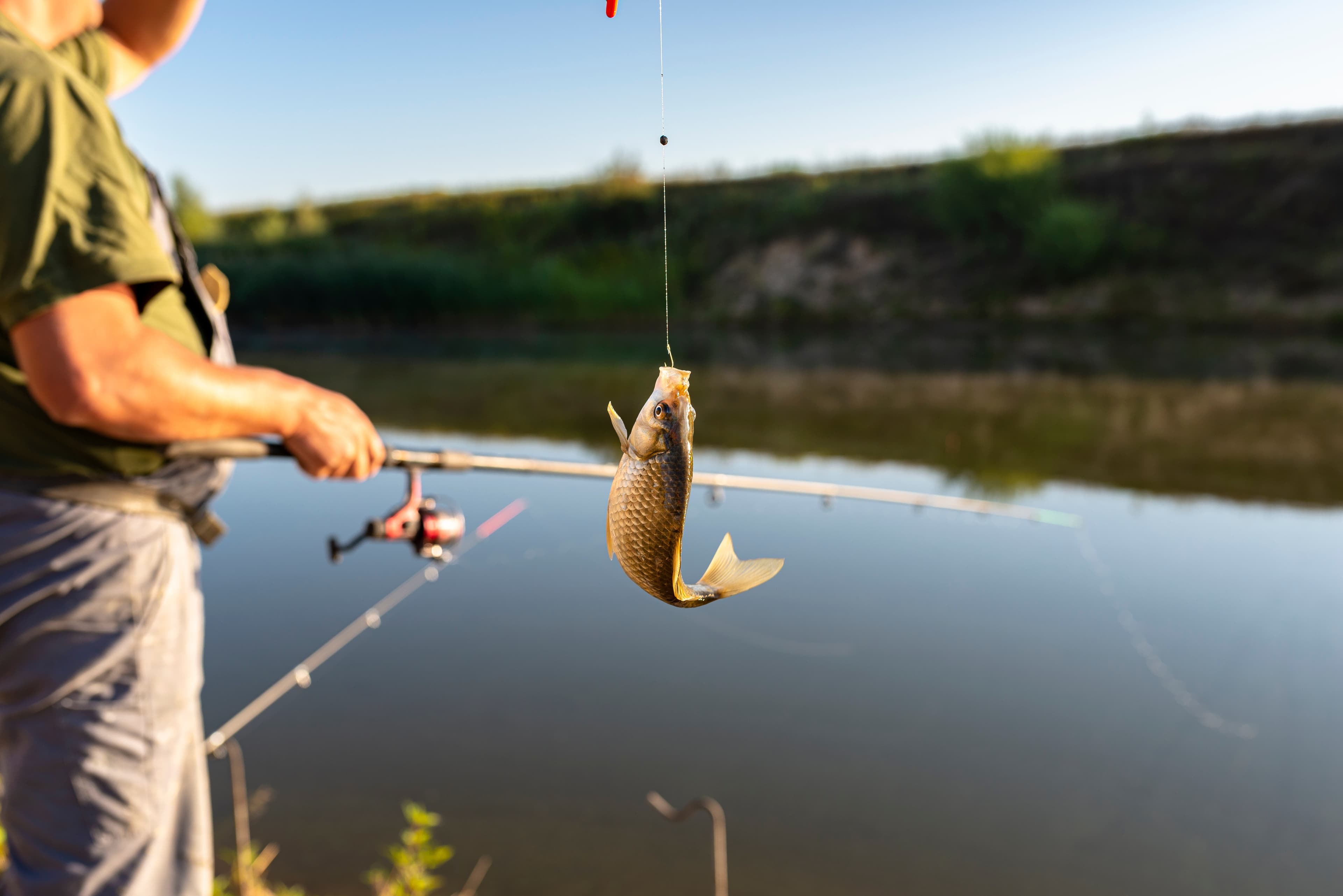
- Float fishing: useful in rivers and lakes, it keeps the bait suspended and visible to moving predators;
- Line fishing or trolling: excellent for lakes and large reservoirs, allowing the bait to move naturally along its path.
Catfish fishing with
live bait: secrets and tips for big catches
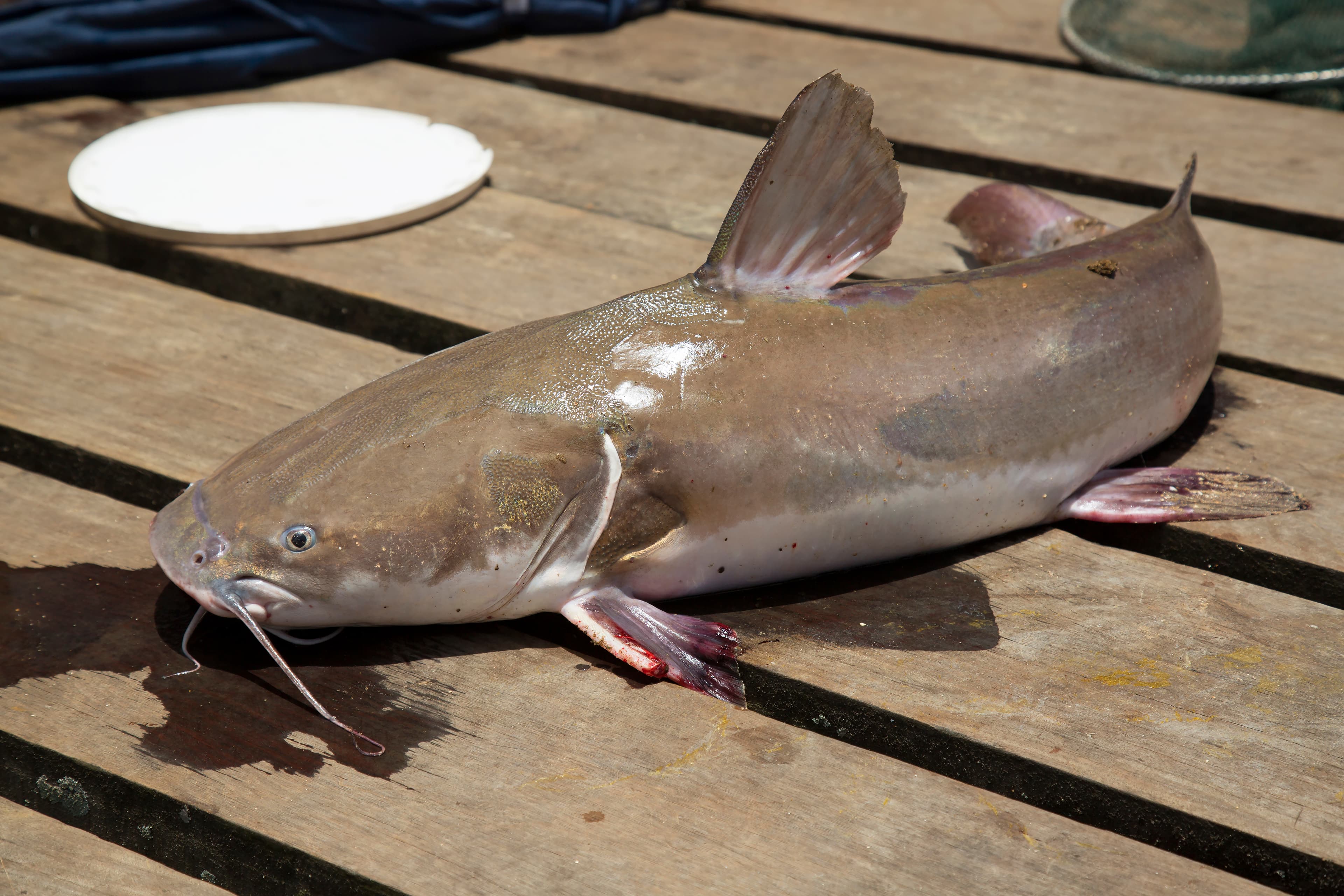
Catfish are one of the most sought-after predators for those who practice live bait fishing. For best results, it's advisable to choose firm, live bait, such as appropriately sized minnows, and place them near deep areas or natural obstacles where catfish hide. It's essential to maintain constant control of the line and be able to react to sudden strikes, using the reel's drag to properly manage the fight. The best times to fish for catfish are often early morning and late afternoon, when predatory activity is at its strongest.
Comparison of live bait and dead
bait fishing Choosing between
live bait and dead bait depends on your objectives and water conditions. Live bait stimulates predators more, proving more effective in murky waters or with selective fish, and offers more frequent catches and more intense fighting. Dead bait fishing is more practical and easier to manage, especially in strong currents, but often produces less spectacular and predictable results. Live bait requires greater attention and care in the use and management of the bait, while dead bait is convenient and versatile, but may not arouse the predatory instinct like live bait.
Trust professional guides.
Live bait fishing is a complex technique that requires experience, knowledge of predators, and the ability to adapt to environmental conditions. For this reason, it can be helpful to choose professional guides, who offer access to the best spots, technical support on bait and equipment, and practical advice to optimize your fishing. Discover the professional guides who can accompany you on the best live bait fishing trips and contact us for information.